

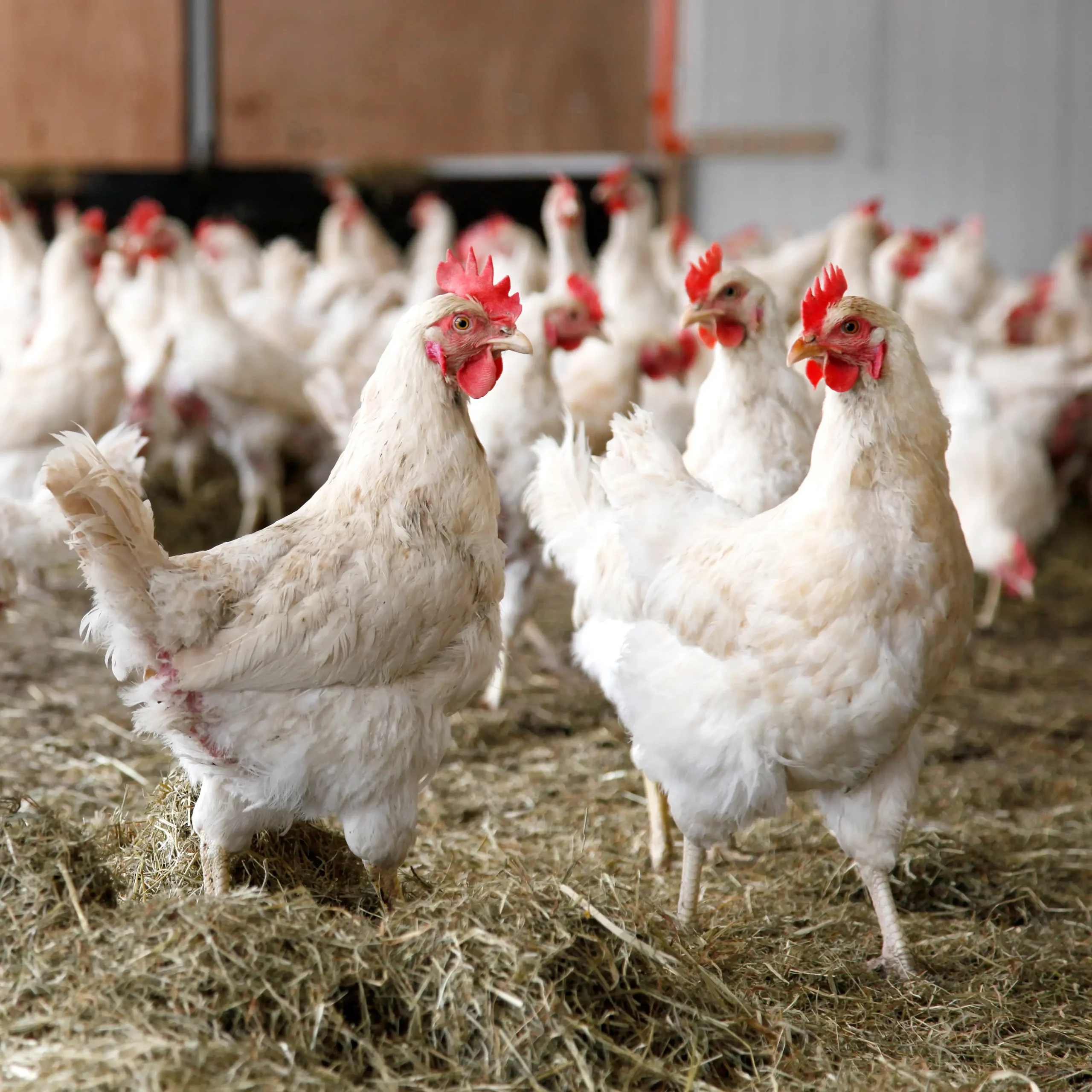
Crude protein, once considered a standard animal performance metric, is now antiquated. In an era of precision nutrition, big data, artificial intelligence, tightening margins with growing demand, a reassessment of how nutritional profiles are measured is a priority. While crude protein measures only nitrogen, a complete profile of animal nutrition must include essential amino acids, digestibility, metabolizable energy, ingredient consistency, and the source of the feed.
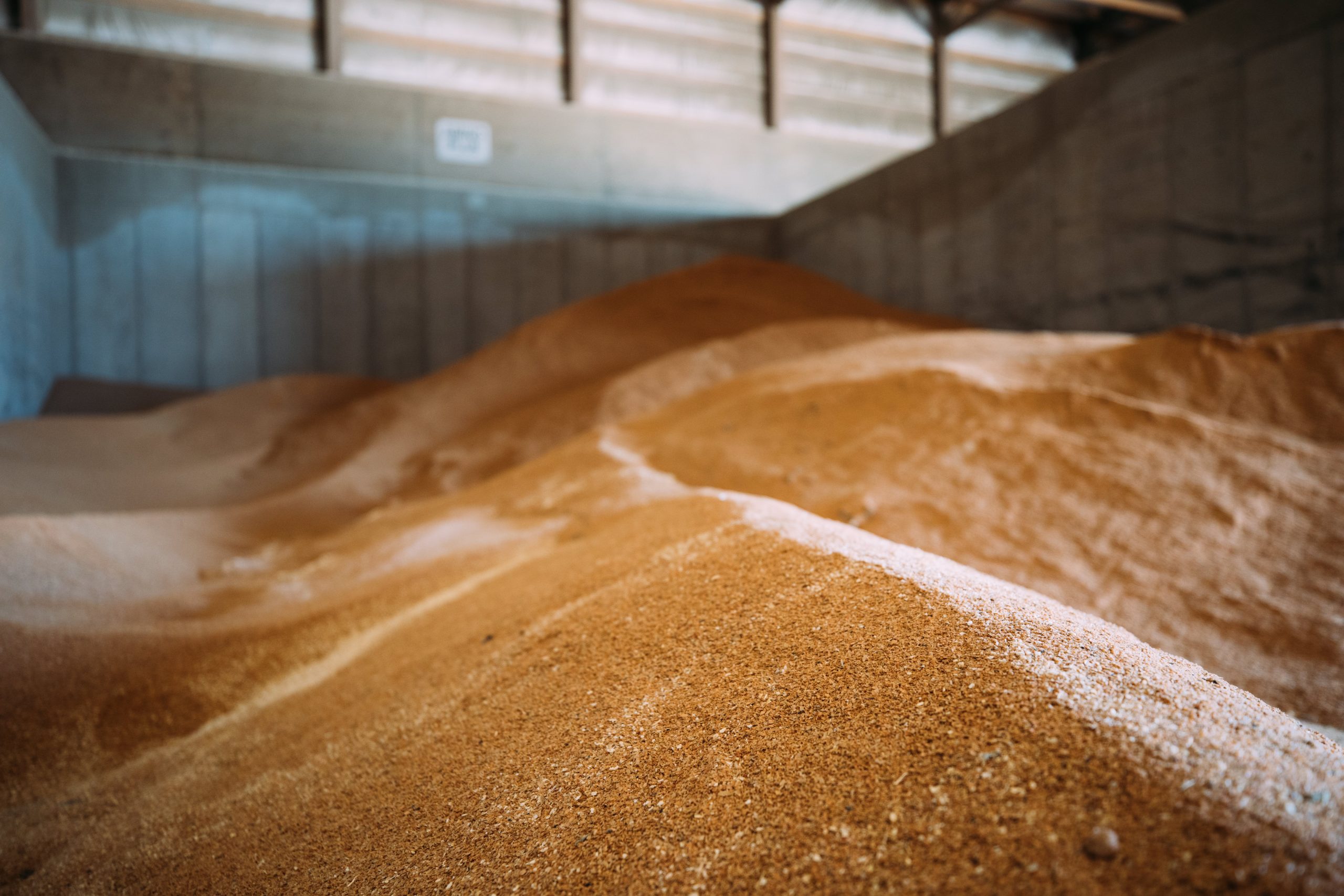
This is especially important for poultry producers and feed formulators in the Middle East, North Africa, and South Asia (MENASA) region, where imported soy makes up a large share of poultry diets.
How Geography Dictates Quality
Not all soybeans are created equal. Growing practices, daylight lengths, weather, and handling affect soybean quality, nutritional profile, and animal performance. Understanding the impact of origin can guide purchasing decisions based on value over price for sustained long-term growth.
From Lower-Damaged Soybeans to Higher Quality Feed
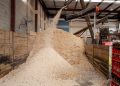
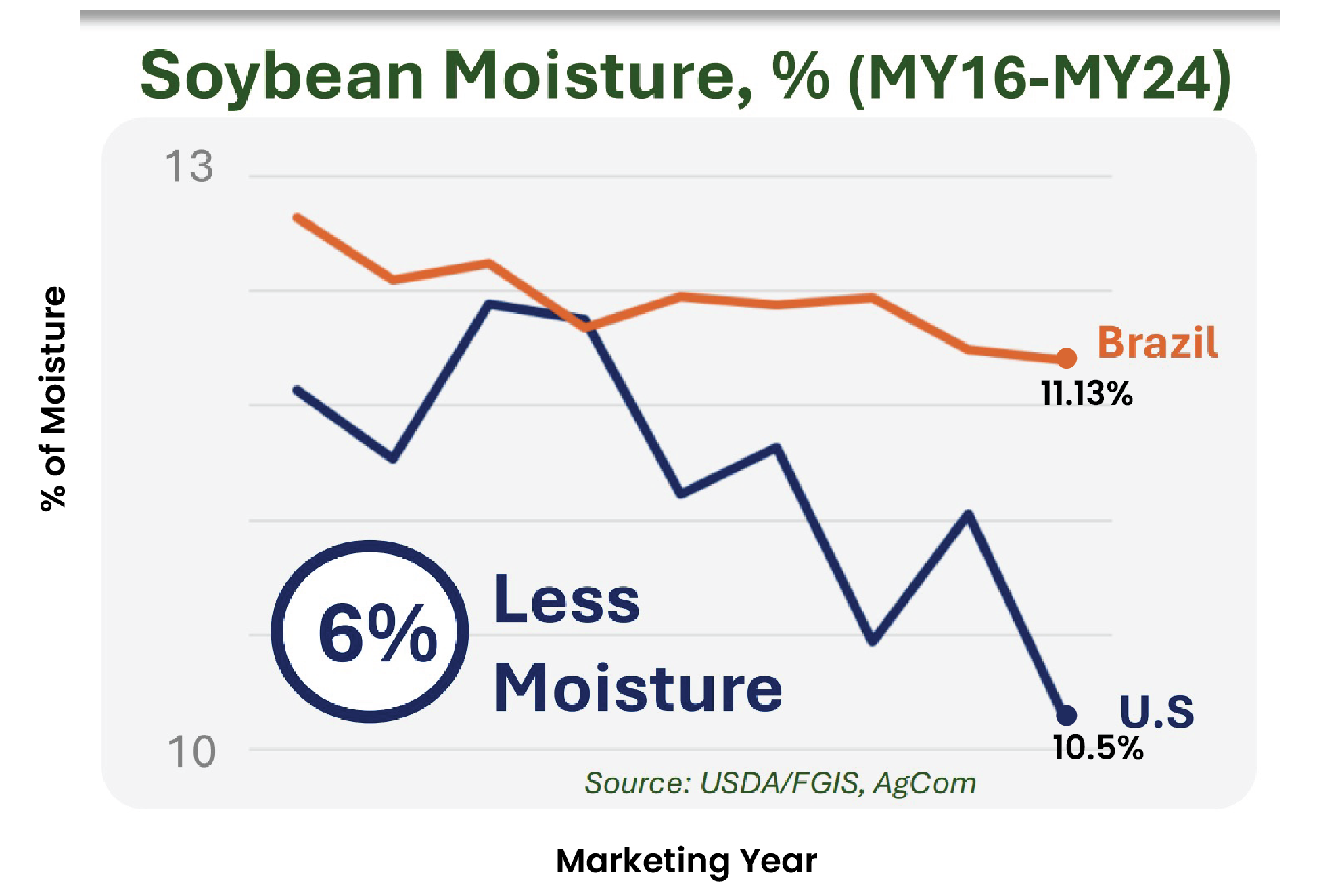
One of the key factors influencing soybean quality is moisture.In the United States, soybeans dry in the fields under the sun before harvest. This slow, natural process reduces moisture in the soybeans, eliminating the need for mechanical driers.Conversely, Brazilian soybeans are harvested in a wet, tropical climate requiring wood-fired driers to remove excess moisture.This drying process is inconsistent and paradoxically causes heat damage while leaving pockets of higher-moisture beans, compromising the nutritional integrity and overall quality of the feed and oil. Research shows that U.S. soybeans have 6% lower moisture than Brazilian soybeans, giving U.S. Soy a significant advantage.
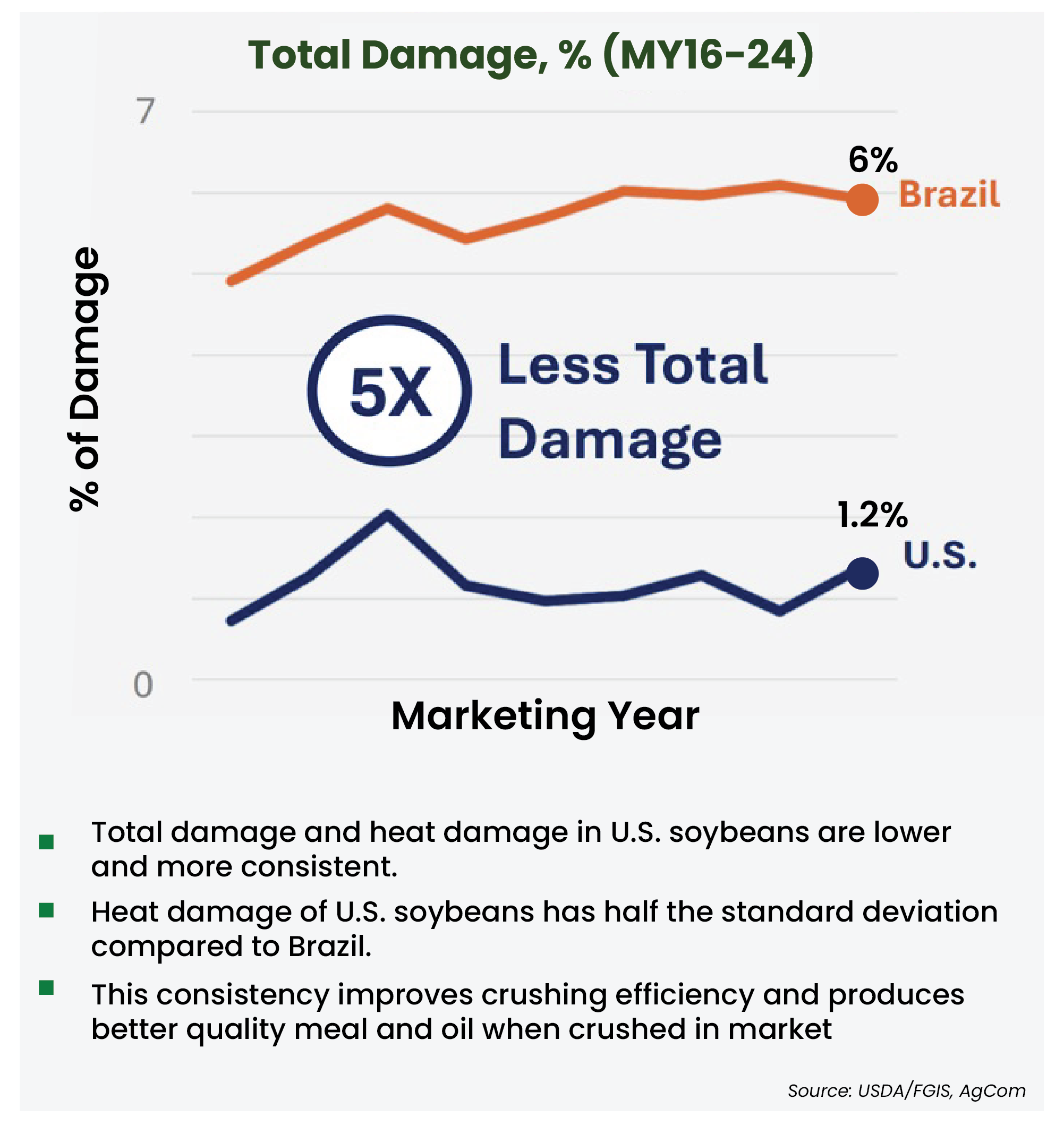
 Harvesting, handling, and storage also contribute to overall damage to soybeans. This adds up across the supply chain. Therefore, choosing higher-quality soybeans from origin reduces this impact, ensuring lower damage and moisture – traits that translate to better feed. Data shows that U.S. soybeans have 5 times less total damage compared to Brazilian soybeans, making them the strategic choice for customers.
“We have found that U.S. Soy exhibits a high degree of purity and a stable moisture content,” adds Amir Boussouf, General Manager, MILAVITA in Algeria. “This has facilitated the grinding and mixing processes and minimized issues of agglomeration or deterioration during storage. As a result, we have improved operational efficiency, reduced waste, and ultimately lowered our long-term operating costs.”
 Higher Digestibility: The Key to Metabolizable Energy
With lower damage that leaves amino acids intact, U.S. soybeans are more digestible and have higher bioavailability, giving them an advantage over South American soybeans. U.S. soybeans also have a higher metabolizable energy content owing to their higher sucrose levels and significantly lower fiber content. For feed formulators, this means requiring fewer added synthetic amino acids, such as lysine and methionine, reducing input costs. This is especially important in times of volatility, with rising freight costs and disrupted trade flows.
Feed made from U.S. soybeans consistently leads to lower feed conversion ratios and improved animal performance. Over time, this consistency results in a higher volume of flock cycles. Consistency is the name of the game. For poultry feed formulators, the predictability that U.S. soybeans deliver increases confidence in feed formulation, resulting in narrower safety margins and higher profits.
Sustainability, the Value Differentiator
In the United States, 95% of soybean farms are multi-generational family farms that use sustainable practices to produce more with fewer resources. U.S. Soy also has the lowest carbon footprint compared to soy of other origins and is verified sustainable under the U.S. Soy Sustainability Assurance Protocol (SSAP), a rigorous auditing process that ensures responsible growing practices.
As sustainability continues to drive purchasing decisions globally, choosing sustainable ingredients is not only a nice-to-have but an intentional business decision to build brand preference.
Strategic Sourcing as a Competitive Advantage
MENASA’s poultry industry continues to expand, and supporting its rising population needs resource optimization, efficient production, and supply chain resilience. Strategic sourcing decisions, such as U.S. Soy, can provide reliable, consistently high-quality protein, empowering poultry producers to maximize profit potential, reduce costs, and boost animal performance.
 Learn how you can nourish your business with U.S. Soy at: www.ussec.org/
Related posts