


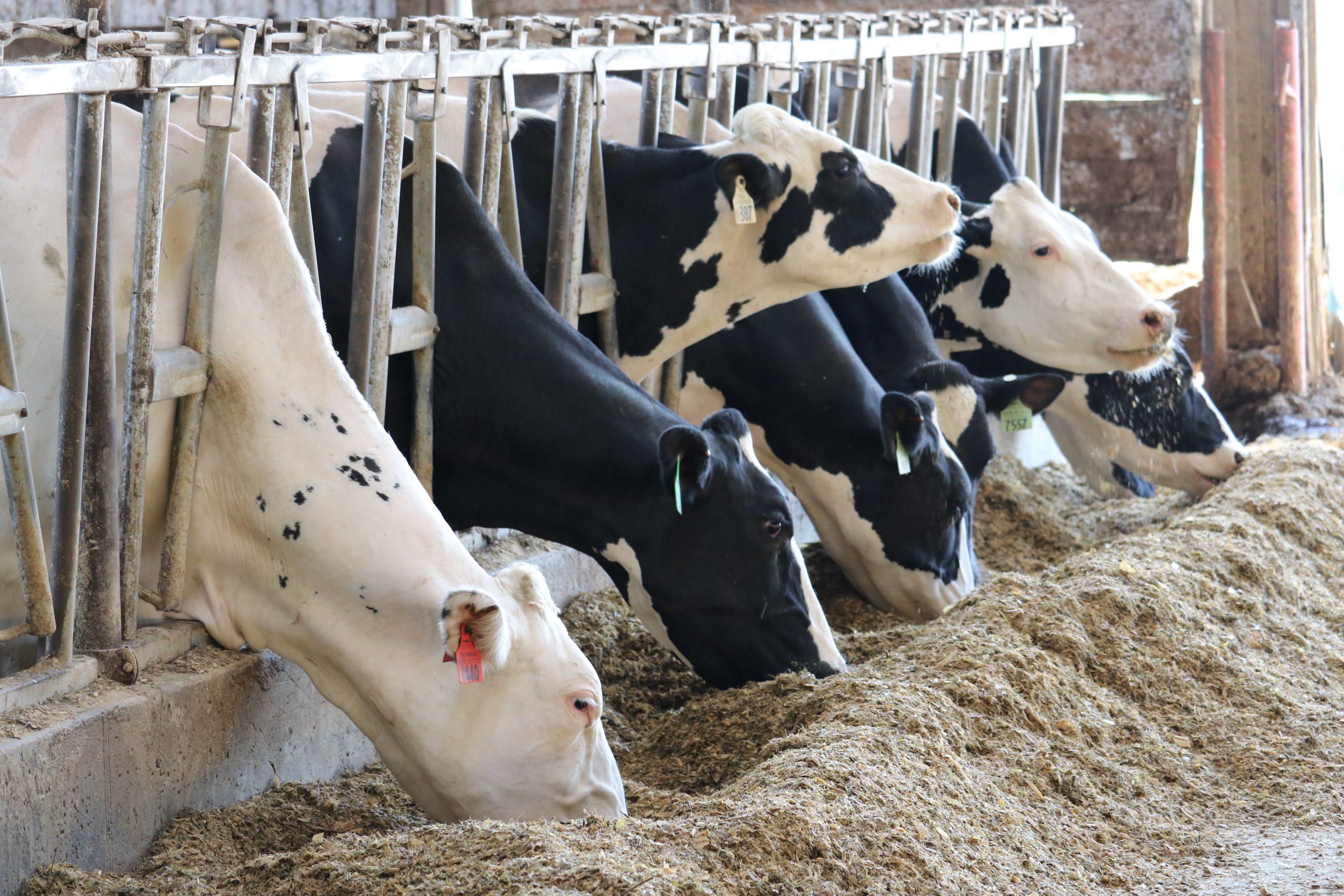
Rumen-protected fat supplements allow producers to target specific areas of cow performance at different stages of the lactation cycle while filling necessary energy demands.
Environmental variables, global trade volatility and changing consumer preferences have made forecasting future dairy production a fast-moving target. According to Dr Richard Kirkland, Global Technical Manager for Volac Wilmar Feed Ingredients, rumen-protected fat supplements, which have long been included in lactation rations as an energy source, are a valuable tool when fed strategically for dairy producers needing to remain agile to hit individual milk contract premiums.
“This all comes down to the fatty acid composition and the effect an individual fatty acid has on a specific area of cow performance based on where she is in the lactation cycle,” Dr Kirkland explains. “Unlike other feed ingredients, rumen-protected fat supplements are not a one-and-done nutrient – they are multi-purpose and can realise a significant return on investment.”
C16:0 vs C18:1 fatty acids
While there are five main fatty acids commonly found in ruminant diets, C16:0 (palmitic acid) and C18:1 (oleic acid) typically have the highest inclusion rate in rumen-protected fat supplements, with varying ratios of each one to target specific effects in the dairy cow.
C16:0 induces insulin resistance to increase the partitioning of nutrients to milk, which in turn improves milk and milk fat production, says Dr Kirkland. This makes it ideal for mid to late lactation. In contrast, C18:1 increases insulin, which increases the partitioning of nutrients to improve body condition. C18:1 also improves the digestibility of total diet fat, which increases energy supply and feed efficiency. This fatty acid has also been proven to boost fertility by promoting egg and embryo development, making it beneficial in early lactation, says Dr Kirkland.
Optimising for liquid-based contracts

While C16:0 is the fatty acid that most efficiently drives nutrients towards milk fat production, producers on liquid-based contracts should target products with a higher inclusion rate of C18:1, such as Megalac, throughout the lactation period.
“Early lactation is particularly critical, as cows are at peak energy demand, and maintaining a high-energy, rumen-friendly diet will support milk volume and minimise the cow milking off her back,” explains Dr Kirkland.
When energy demands are not fulfilled, cows fall into a negative energy balance to meet the high energy demands of milk production, which has a knock-on effect on fertility. Research from the University of Nottingham indicates that for each 0.5-unit loss in condition during this period, conception rates can fall by around 10%.
“Feeding rumen-protected fats with C18:1 is essential to optimise milk volume while maintaining herd fertility,” says Dr Kirkland.
Optimising for solid-based contracts
Ultimately, solid-based contracts will benefit from yield, but need to do so in a way that doesn’t jeopardise quality premiums, says Dr Kirkland. Likewise, hitting solid-based premiums needs to be done without compromising cow health and fertility.
“In general, it is most appropriate to supplement with a higher-C18:1 product in the first 120-days of lactation to promote cow fertility, body condition and milk supply,” explains Dr Kirkland. “Once cows pass peak lactation or are back in calf, introducing a high-C16 product like Mega-Fat 88 drives higher milk fat and overall solids, optimising contract returns safely.
For producers seeking a balanced approach that maintains both volume and solids, a mixed product like Mega-Fat 70 can be offered throughout lactation.
Available tools to help optimise milk contracts for individual herds
Ultimately, regardless of whether a farm is on a liquid or solid-based contract, they will likely benefit from having increased milk volume, says Dr Kirkland. And they will definitely benefit from their feeding strategy, promoting energy supply through early lactation.
To help individual dairy farmers determine how much fat they should be feeding and the most appropriate rumen-protected fat supplement to meet their milk production goals, VWFI has two calculator tools available. The Fat Calculator assesses whether a ration has a fat surplus or a fat shortage to meet the determined fat requirements of the herd for optimal milk production. The more comprehensive Fat Supplements Return On Investment Calculator 2.0 allows producers to enter detailed data points about their ration and milk production to find which type of rumen-protected fat will give them the biggest return on investment for their milk contract.
“Rumen-protected fat supplements are more than just an energy source – they are a targeted tool that allows producers to fine-tune milk composition and cow performance,” explains Dr Kirkland. “By matching the right fatty acids to the stage of lactation and contract type, farms can optimise herd health and individual milk contracts to receive a higher return on investment for every litre of milk produced.”
Related posts