
• About us
  • Advertise with us
  • Subscribe Now
  • Media Kit
Sunday, August 2, 2026
19 °c
Columbus
19 ° Wed
20 ° Thu
22 ° Fri
19 ° Sat
Livestock & Poultry Middle East
  • Home
  • News
  • Videos
  • Industry Update
    • Animal Feeds & Nutrition
    • Dairy Products
    • Farming Equipment
    • Animal Health & Hygiene
    • Aquaculture
    • Livestock Farming
    • Meat & Processing
    • Poultry Farming
  • Country Update
  • Digital Magazines
    • Publications
  • Events
  • Careers
  • Contact Us
No Result
View All Result
  • Home
  • News
  • Videos
  • Industry Update
    • Animal Feeds & Nutrition
    • Dairy Products
    • Farming Equipment
    • Animal Health & Hygiene
    • Aquaculture
    • Livestock Farming
    • Meat & Processing
    • Poultry Farming
  • Country Update
  • Digital Magazines
    • Publications
  • Events
  • Careers
  • Contact Us
No Result
View All Result
Live Stock Middle East
No Result
View All Result
Home News

Dairy cows: reducing cells that count – naturally

by Livestock & Poultry News Desk
2 years ago
in News
0
Dairy cows: reducing cells that count – naturally
ShareShareShareShareShare

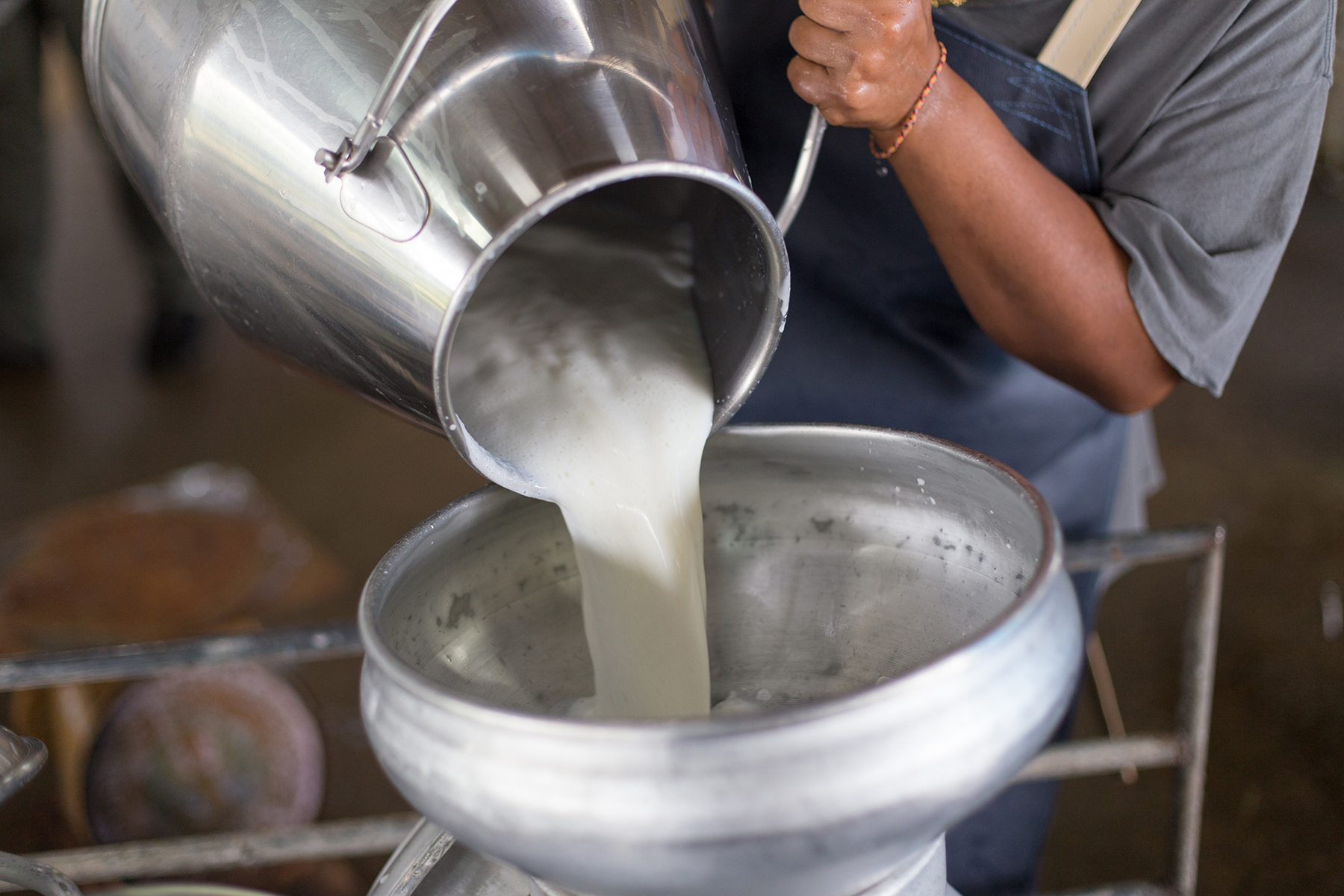
Many challenges confront today’s dairy industry that require farmers to be knowledgeable, innovative, and constantly improving to stay competitive. Mastitis remains the most frequent health problem affecting the dairy industry as it is assessed by somatic cell count (SCC). Udder inflammation lowers milk quality, harms animal welfare and reduces the job satisfaction of dairy farmers. It also leads to substantial economic losses and increased use of antibiotics for mastitis treatment, which poses risks of antimicrobial resistance and milk contamination. A promising and innovative solution is to feed dairy cows with phytogenic feed additives like Anta®Phyt, which can boost their immune systems and prevent mastitis while reducing the need for antibiotics.

Somatic cell count: an ally that comes with drawbacks

In a sense, SCC functions like two sides of a coin. As somatic cells are part of the innate immune system of dairy cows that provides a rapid and nonspecific response to foreign invaders, they are also an indicator of susceptibility to mastitis or poor udder health. White blood cells, such as neutrophils and macrophages, and epithelial cells are the main components of SCC. While the mammary gland’s epithelial cells are usually shed and renewed, the white blood cells migrate to the site of infection and release various substances to kill or neutralize pathogens. They also produce cytokine signalling molecules that regulate inflammation and coordinate the immune response. However, SCC can also negatively affect the udder and milk quality. When SCC is too high or prolonged, it can cause tissue damage and impair milk synthesis. The substances released by white blood cells can degrade the milk components, such as fat, protein, and lactose, and increase the somatic cell score (SCS), a logarithmic transformation of SCC. In the event of high SCS, milk’s shelf life and processing value are reduced, increasing the risk of penalties or price deductions from milk buyers. Therefore, SCC is a complex and dynamic parameter that reflects the udder’s balance between immunity and threat. A SCC below 200,000 cells/mL is considered normal and safe for individual cows, while a SCC above 500,000 cells/mL indicates clinical mastitis, a severe infection requiring immediate treatment. A SCC between 200,000 and 500,000 cells/mL may indicate subclinical mastitis, a mild infection that does not show visible symptoms but still affects milk quality and yield. Dairy farmers must monitor and manage SCC to optimize milk production, quality, animal welfare, and profitability.

Feed cow immune system without cutting corners

The SCC threshold between threat and safety is not a fixed value but depends on multiple factors, such as the stage of lactation, the breed of the cow, the season, the age and the type of infection. Regardless, a cow’s immune system depends largely on its nutritional status, and when nutrition is compromised, the immune system becomes weaker and more susceptible to bacterial infections in the udder, leading to increased incidence. Antibiotic usage is the first port of call as the primary treatment option for udder inflammation, but it comes with several drawbacks, such as antimicrobial resistance, antibiotic residues in milk and environmental impact. Supplementing dairy cows with phytogenic feed additives like Anta®Phyt ensures killing two birds with a stone, i.e. enhancing the immune system beyond the average level and reducing antibiotic usage. Anta®Phyt helps herds cope better with infections that affect the udder by providing an antimicrobial effect and modulating the microbiota of the udder, leading to better overall health and performance. In a field study comprising three dairy farms with an average of 180 dairy cows, supplementing dairy cows’ diet with Anta®Phyt reduced SCC across the three farms to an average of 196,000/ml compared to the period before and after supplementation withdrawal (Figure 1).

Figure 1: Changes in the SCC of three dairy farms across three different periods of supplementation with or without Anta®Phyt

Don’t stop at just enough

Dairy herd health management is crucial in the fight against antimicrobial resistance and antibiotic usage. It requires continuous hygiene improvement, frequent animal check-ups, regular herd screening for common diseases, and isolation of new animals before joining the herd. In addition, dairy cattle need suitable housing (good ventilation, appropriate humidity, low stocking densities, and good hygienic practices) to reduce stress and boost their welfare and immunity. As a crucial part of these management measures, high-performance phytogenes such as Anta®Phyt provide the essential extra benefit. By maximizing herd health and welfare with Anta®Phyt, the host immune function improves, and mastitis and other common dairy cattle diseases decrease, reducing the need for antibiotics. Anta®Phyt makes the difference between acceptable results and excellent performance, between just enough and long-term profitability. Don’t settle for less – go for AntaPhyt.

Post Views: 2,667

Related posts

SOMMET DE L’ÉLEVAGE 2026 : The international showcase for tomorrow’s livestock farming

SOMMET DE L’ÉLEVAGE 2026 : The international showcase for tomorrow’s livestock farming

July 30, 2026
NOREL’S PARTICIPATION IN JRA 2026

NOREL’S PARTICIPATION IN JRA 2026

July 28, 2026
VIV Select China and Pet Fair Asia Launch First Joint Initiative in Shanghai

VIV Select China and Pet Fair Asia Launch First Joint Initiative in Shanghai

July 24, 2026
Evonik completes backward integration of its global MetAMINO® production network

Evonik completes backward integration of its global MetAMINO® production network

July 22, 2026
Al Khayyat Investments Commits $100 Million to Transform Animal Health Across the Middle East

Al Khayyat Investments Commits $100 Million to Transform Animal Health Across the Middle East

July 20, 2026
USSEC Highlights How High-Quality Sustainable Feed Ingredients Can Boost the Region’s Aquaculture Performance

USSEC Highlights How High-Quality Sustainable Feed Ingredients Can Boost the Region’s Aquaculture Performance

July 17, 2026
ShareShareTweetSendPin
Previous Post

FarmRobotix” celebrates premiere at the DLG Feldtage 2024 event

Next Post

João Marcelo Gomes Named President of Kemin Animal Nutrition and Health – EMENA

Next Post
João Marcelo Gomes Named President of Kemin Animal Nutrition and Health – EMENA

João Marcelo Gomes Named President of Kemin Animal Nutrition and Health - EMENA

April – June 2026 edition

RECOMMENDED NEWS

The feeding system Triomatic pays for itself through labor and energy savings

The feeding system Triomatic pays for itself through labor and energy savings

1 year ago
EuroTier 2026: From Data to Decisions: How AI is Changing Livestock Farming

EuroTier 2026: From Data to Decisions: How AI is Changing Livestock Farming

3 weeks ago
“FarmRobotix” celebrates premiere at the DLG Feldtage 2024 event

“FarmRobotix” celebrates premiere at the DLG Feldtage 2024 event

3 years ago
How to maximize chilling efficiency

How to maximize chilling efficiency

2 years ago

FOLLOW US

BROWSE BY CATEGORIES

  • Animal Feeds & Nutrition
  • Animal Health & Hygiene
  • Aquaculture
  • Country Update
  • Dairy Products
  • Draft
  • Editor's Pick
  • Events News
  • Farming Equipment
  • Industry Update
  • Livestock Farming
  • Meat & Processing
  • Media Kit
  • News
  • Poultry Farming
  • Sponsored News
  • Video

BROWSE BY TOPICS

Adnec Al Ain alltech animal animal biosolutions Animal nutrition brenntag calves chickens cow health DAIRY dsm egg eggprocessing Equestrian event farming fee feed feed ingredients fish health HOOVES horse horse feed Hunting insect farming Ishida livestock marel meat processing middle east milk production Novonesis Novus petfood poultry poultry feeds poultry line poultry production shrimp sommet swine Thumbay veterinary clinic
Livestock & Poultry Middle East

Leading Livestock & Poultry Industry Magazine in the Gulf & Middle East Region

Follow us on social media:

Recent News

  • SOMMET DE L’ÉLEVAGE 2026 : The international showcase for tomorrow’s livestock farming
  • NOREL’S PARTICIPATION IN JRA 2026
  • WMU Targets Expansion to Become Southeast Asia’s Largest Cage-Free Egg Producer
  • VIV Select China and Pet Fair Asia Launch First Joint Initiative in Shanghai

Category

  • Animal Feeds & Nutrition
  • Animal Health & Hygiene
  • Aquaculture
  • Country Update
  • Dairy Products
  • Draft
  • Editor's Pick
  • Events News
  • Farming Equipment
  • Industry Update
  • Livestock Farming
  • Meat & Processing
  • Media Kit
  • News
  • Poultry Farming
  • Sponsored News
  • Video

Recent News

SOMMET DE L’ÉLEVAGE 2026 : The international showcase for tomorrow’s livestock farming

SOMMET DE L’ÉLEVAGE 2026 : The international showcase for tomorrow’s livestock farming

July 30, 2026
NOREL’S PARTICIPATION IN JRA 2026

NOREL’S PARTICIPATION IN JRA 2026

July 28, 2026
  • About us
  • Advertise with us
  • Subscribe Now
  • Media Kit

© 2026 LIVESTOCK & POULTRY ME & ASIA

No Result
View All Result
  • Home
  • News
  • Videos
  • Industry Update
    • Animal Feeds & Nutrition
    • Dairy Products
    • Farming Equipment
    • Animal Health & Hygiene
    • Aquaculture
    • Livestock Farming
    • Meat & Processing
    • Poultry Farming
  • Country Update
  • Digital Magazines
    • Publications
  • Events
  • Careers
  • Contact Us

© 2026 LIVESTOCK & POULTRY ME & ASIA

Subscribe to our newsletter and online magazine

Subscription Form -pop up