
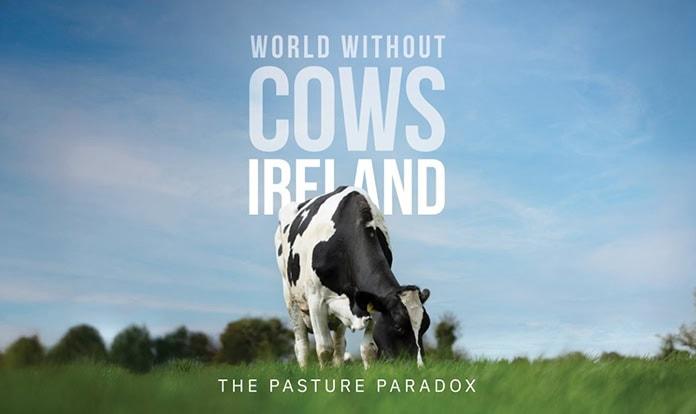
World Without Cows: The Pasture Paradox takes an inside look at Ireland’s pasture-based dairy landscape, a global model for sustainable production, as producers work to meet growing demand for grass-fed dairy while protecting the land and water they depend on.The Pasture Paradox is a companion mini-doc produced by the filmmakers of World Without Cows, a feature-length documentary slated for broad release later this year. World Without Cows examines the cultural and economic significance of cows, their role in feeding the world and their impact on climate.
Ireland produces some of the most carbon-efficient milk in the world while sustaining a €7.3 billion dairy export industry that supports 60,000 jobs. Global demand for animal protein is projected to rise 20% per capita by 2050, and Ireland is one of the few places equipped to meet this demand responsibly. While Ireland’s leadership in sustainable dairy production is recognized globally, less well understood are the pressures that come with it.
What “The Pasture Paradox” means
Ireland’s mild climate, high rainfall and fertile soils grow grass for most of the year — and it’s that lush grass, converted by 1.6 million dairy cows, that powers one of the world’s most efficient dairy systems. This natural advantage has built a global reputation and an export industry that anchors rural communities while playing an outsized role in meeting global protein needs. But maintaining the productivity of Ireland’s pastures requires nitrogen, which is putting pressure on the nation’s historically pristine rivers and waterways. This tension has become an increasingly complex challenge within one of the world’s most efficient and sustainable food systems.
The Irish dairy sector faces many challenges, including a workforce facing generational turnover, geopolitical tensions, policy changes and tight margins, as well as a consumer base that is growing up further removed from agriculture — but the problem of nitrates and water quality may be the most pressing.
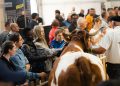
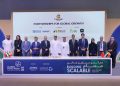
A recent private screening and panel discussion of The Pasture Paradox brought together leaders from across the Irish agri-food industry to examine the tension between Ireland’s outsized role in global dairy production and the environmental limits shaping the nation’s future. The panel included Tom Cronin, executive director, Our Food Roots; Niall Moore, farmer; Dr. Lisa Koep, chief ESG officer, Tirlán; Dr. Laura Burke, former director general, EPA; and Tara McCarthy, vice president of ESG at Alltech.“The Pasture Paradox and panel discussion show a sector that understands both its strengths and its responsibilities,” McCarthy said. “Grass-based production, family farming and strong assurance systems are real assets to Irish dairy. But today’s conversation has also reinforced something equally important: that having a low global footprint does not exempt us from local accountability, particularly when it comes to water quality and environmental outcomes at catchment level.”
“Farmers have always been incredibly adaptable and innovative, and that gives me hope that they can face future challenges,” said Dr. Lisa Koep of Tirlán. “Incentivizing change is very important too for sustainable solutions. A lot of these solutions have costs associated with them and we need to explore how the co-ops, policy-makers and government can help make some of these solutions better value.”Niall Moore said, “Farming does face challenges but the science and desire to solve these challenges also keeps getting better. There is an answer to any and all of the questions or issues we have out there, so we will continue to improve. I really believe in the quality of the milk we produce.”
For more information, visit worldwithoutcows.com/ireland.
Related posts